“Drawing as a Second Language”: An Interview with Samantha Yun Wall

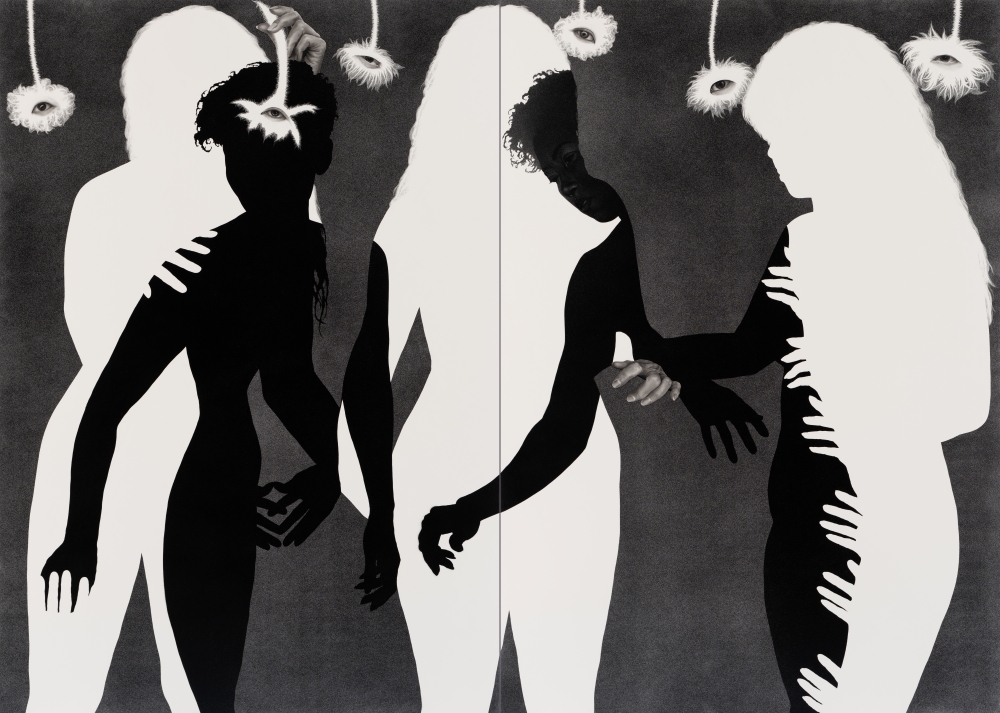
Samantha Yun Wall’s monochrome artworks—haunting, mysterious, and emotional—serve as a tool in her ongoing investigation of identity and history. Yun Wall navigates her multiracial background and lack of belonging as a Black Korean immigrant by exploring duality and binaries, creating striking black-and-white drawings that embrace uncertainty and the unknown.
In 2024, the Portland-based artist won the Betty Bowen Award, affording Yun Wall to continue her practice during a turbulent time—both personally and globally. The juried award comes with an unrestricted cash award of $20,000 and a solo exhibition at SAM. Samantha Yun Wall: What We Leave Behind opens at the Seattle Art Museum on February 5, 2026, accompanied by an artist talk from 6–7:30 pm.
Ahead of the exhibition’s debut, we chatted with Yun Wall about the past, present, and future of her journey through art.
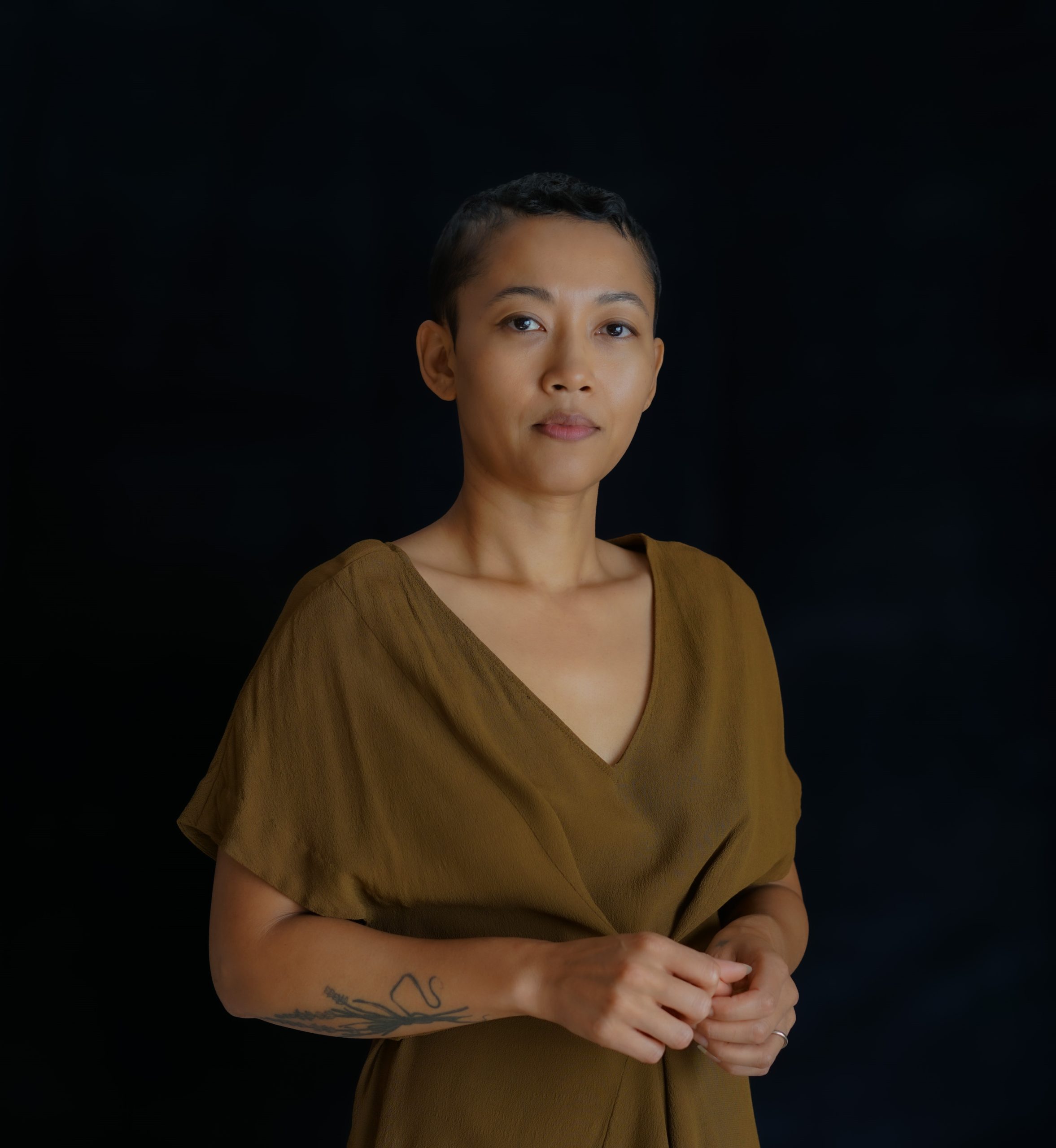
Using graphite, charcoal, and ink, drawings comprise the majority of your portfolio. What drew you to this art medium?
Drawing is a relationship I’ve had for a very long time. I was born in Korea, and Korean was my first language. Experiencing first language attrition—I still mourn that. I can’t communicate with my family in Korea anymore. I used to send cassette tapes to my grandmother. We would communicate that way, send them back and forth, and all of that was in Korean.
I think my loss of that language made me value drawing more, because I view that [art medium] as a kind of language. It’s a way for me to process the world around me. But it’s also a tool to communicate. It’s not my first language, but it might be my second. I can’t help but wonder if drawing helped me navigate that space between languages. I just don’t remember a time when I wasn’t drawing.
I used a lot of different tools when I was young, but I think I returned to graphite over and over again because it was so familiar, and there was an ease of working with that tool, that medium, that has developed. And I’ve added complexity to it, like with conté crayon and charcoal—I often sharpen it like pencil lead, or grind it to a fine powder that I use with paint brushes.
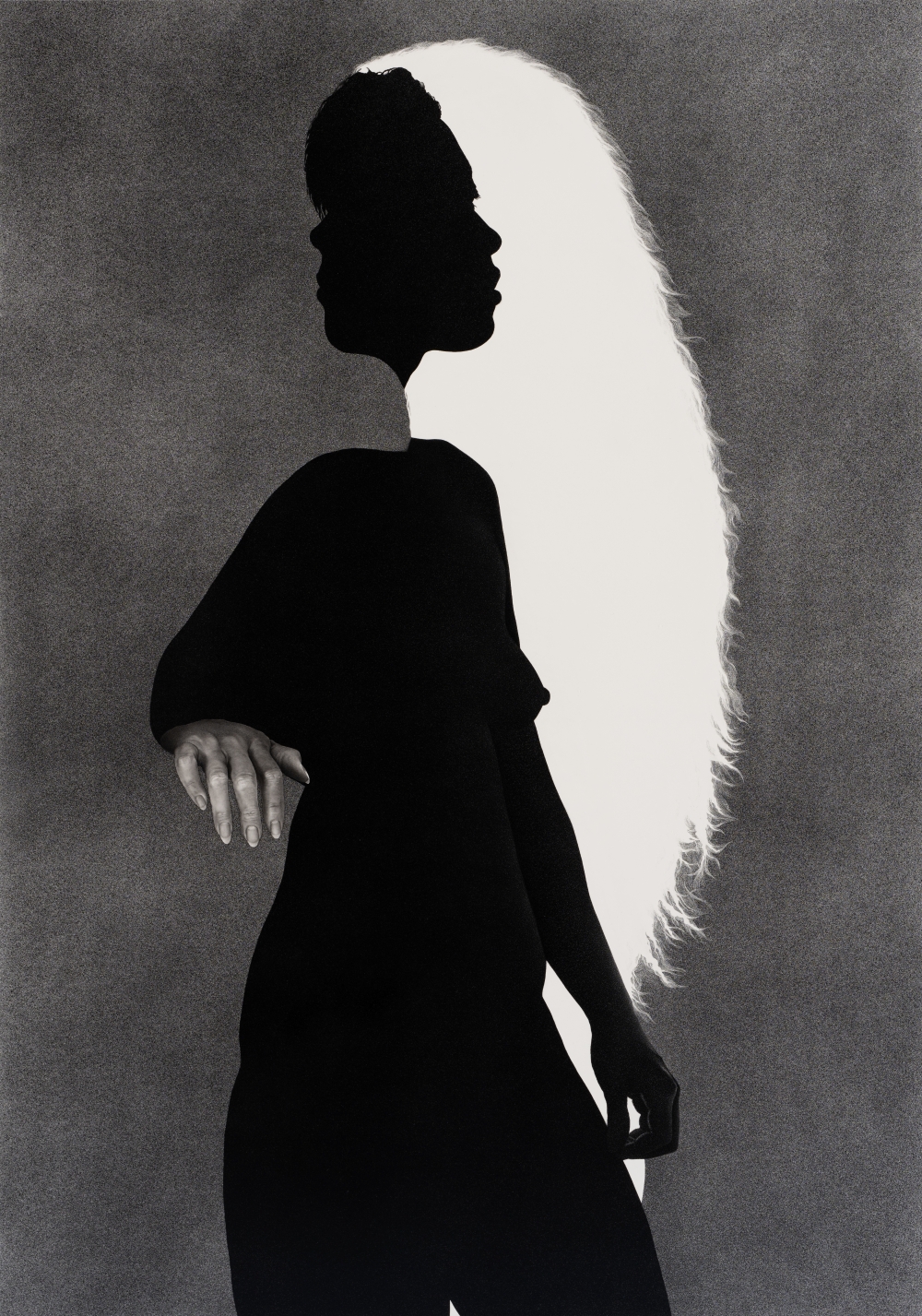
Duality and binary are a large part of your art, including your use of black and white colors. Could you discuss the presence of this in your work and how it relates to your practice?
It’s something I obviously had to contend with my entire life—feeling these perceived, static categories that I’ve always felt I’ve had to navigate between. It’s an illusion, it’s a construct, but it’s one that feels so solid and immutable.
Instead of feeling like I wanted to do the work of changing them, I started to feel very comfortable in the space between them, realizing that space offers new possibilities to arise. Outside of the constraints of the binary is a fertile and vast space that has been uncategorized, and there’s a space of freedom there.
I’ve been more and more excited by this in-between space. It can be very isolating, but that also goes hand in hand with the nature of my work. I spend a lot of time in my studio, thinking about my work, my past, the kind of spaces I belong to, and the various communities that I move through, but always recognizing that the deeper sense of belonging isn’t present for me. Through this work, it helps me search for where that place is, because I don’t know if I’ve identified it. And maybe it’s something that doesn’t exist at all, and it’s something that has to be constructed.
Your pieces embrace uncertainty and the unknown. Why are these themes important to you and your art?
It’s uncomfortable for a lot of people—but the unknown presents opportunities to shape what serves us. We can be our entire selves. There’s so much of my own history I didn’t know that I slowly had to become comfortable with. The reevaluating when learning more information about my past that didn’t quite fit who I had learned to be. This remaking is an important part of the human experience that we often don’t allow ourselves to do. We decide, ‘this is who I am, and this is who I will be forever.’ That creates a kind of rigidity that doesn’t serve us; it doesn’t allow us to grow and expand.
What did it mean to you personally to win the Betty Bowen Award?
I was in tears. Last year was probably one of the most difficult years for me as an artist financially, so receiving the monetary award was a lifeline. We’re all experiencing [this turn in the art world]: the cuts to arts funding, grants falling through, organizations being threatened. But I knew my show at SAM was happening, and I was holding onto that. It grounded me and provided stability at a time that is so turbulent. I don’t know if I would be making work right now if not for that award.
Samantha Yun Wall: What We Leave Behind is on view from February 5 to October 5, 2026, at the Seattle Art Museum.
~~~
Artwork credits
What We Leave Behind, 2025, Samantha Yun Wall, Korean/American, b. 1977, ink and conté crayon on Claybord, Courtesy of the artist, © Samantha Yun Wall, photo: Mario Gallucci.
Everything in Between, 2025, Samantha Yun Wall, Korean/American, b. 1977, ink and conté crayon on Claybord, Courtesy of the artist, © Samantha Yun Wall, photo: Mario Gallucci.
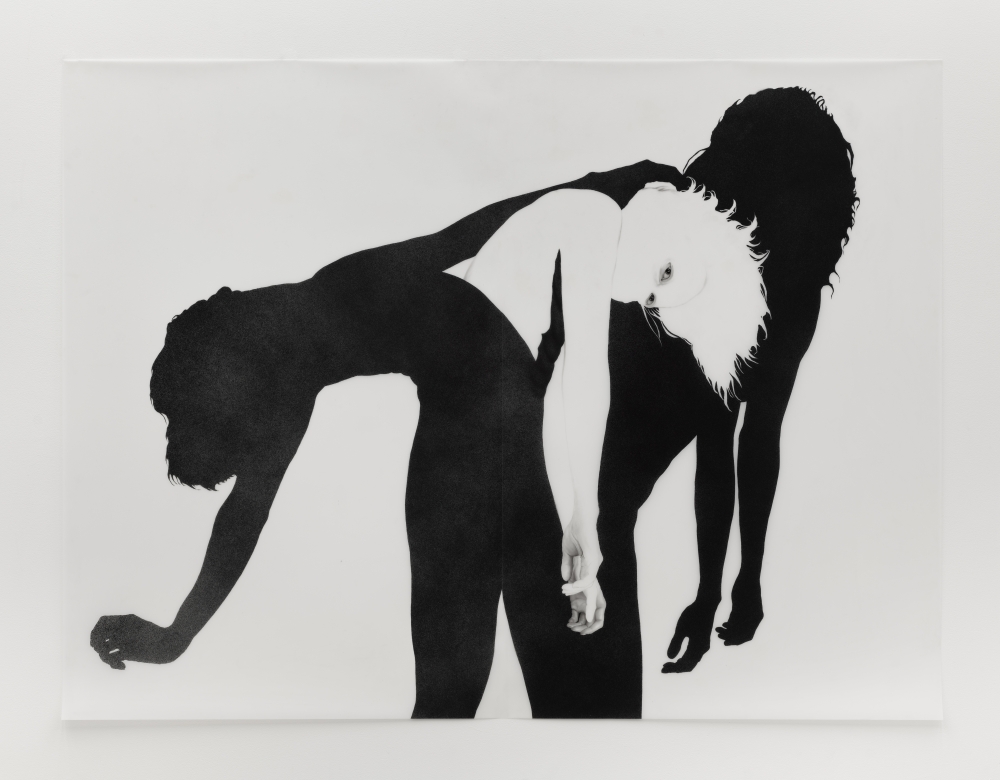
Out of Place, 2022, Samantha Yun Wall, Korean, b. 1977, conté crayon, charcoal, and ink on Dura-Lar, 60 x 80 in., © Samantha Yun Wall
Photo credit: Stephen Slappe