Immersed in art: Emerging Arts Leader Cecilia Carroll reflects

As a Seattle native, I visited SAM a few times when I was young. Mainly on school field trips, but also occasionally with my family when there was an exhibition my parents wanted to see. While my passion for museums came later, these experiences laid the groundwork for my initial interest in these spaces.

Museums especially complemented my educational and personal interests, including art-making. My enthusiasm for history led me to major in the subject, but something felt missing. When figuring out what I wanted to minor in, I took an introductory class on art history and was immediately hooked.

The course opened my eyes to a new focus I had not considered before, and I realized museum work was a career opportunity I wanted to pursue. I applied for a summer internship at SAM and was overjoyed when I got the position of Emerging Arts Leader Intern with Interpretation. I knew next to nothing about the scope of this department, but wanted to experience museum work any way I could. 

To my luck, the work was fascinating. From creating audio and physical guides to setting up exhibition-related activities, Interpretation asks what is needed in galleries to make art accessible and help everyone understand the content.
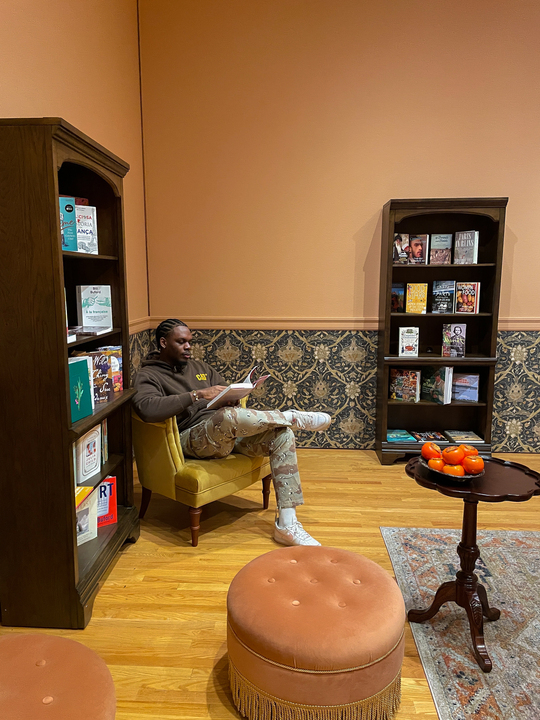
A museum visitor enjoys the book nook located inside the exhibition, Farm to Table: Art, Food, and Identity in the Age of Impressionism
The book nook located inside the exhibition, Farm to Table: Art, Food, and Identity in the Age of Impressionism

My first assignment was contacting the Seattle Public Library (SPL) with the idea of creating a resource list to include inside the gallery for SAM’s exhibition, Farm to Table: Art, Food, and Identity in the Age of Impressionism. Although SPL handled the final selection of books and films, SPL encouraged me to share my own knowledge and thoughts when needed. I loved helping guide the focus on the topics of these materials. Thanks to the partnership with SPL, the exhibition now features a cozy book nook, with a QR code that links to the full list of books and films for visitors to check out after their visit.

My major project was a smartphone tour—an online audio guide accessible via QR codes in the gallery—for an object of my choosing. I specifically looked at artworks donated by the Friday Foundation, which provided SAM with a collection of contemporary artworks gathered by Jane Lang Davis and Richard E. Davis. It includes work by the likes of Jackson Pollock, Willem de Kooning, Mark Rothko, and my favorite, Joan Mitchell. 

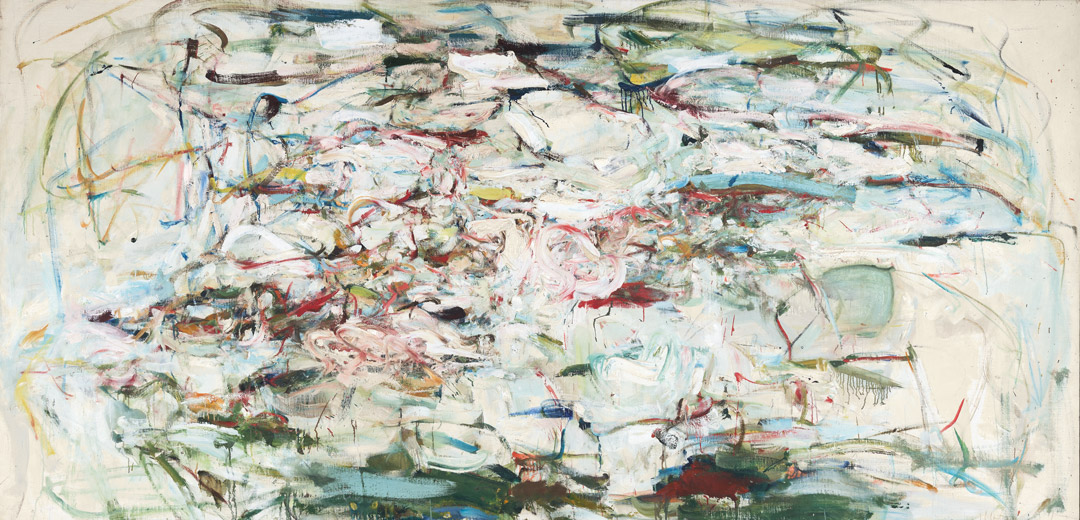
While every piece in the collection is wonderful, I decided to focus on The Sink, painted by Mitchell in 1956. This abstract piece struck me with its size—I felt like the artwork absorbed me into it. I developed a smartphone tour and verbal description of The Sink for the visually impaired, applying the type of research I enjoy in a more tactical, useful way for the average visitor.
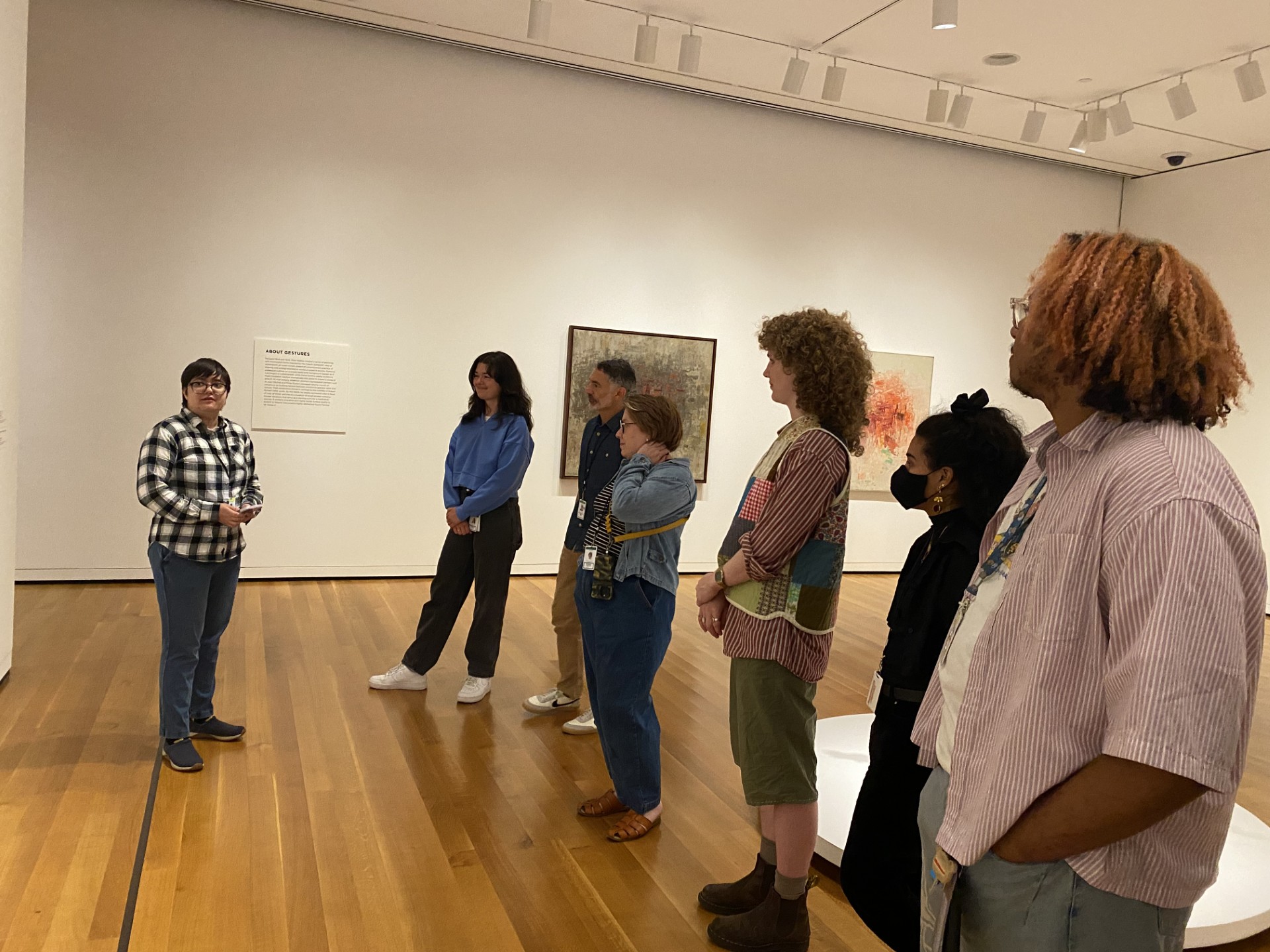
Cecilia Carroll, SAM Emerging Arts Leader Intern, (left) with colleagues at the Seattle Art Museum.
(left) Cecilia Carroll, SAM Emerging Arts Leader Intern, with colleagues at the Seattle Art Museum

For so long, I was unsure what I was going to do with my history degree. The transition from school to the workplace made me incredibly nervous. But the knowledge I gained during my time at SAM has been beyond valuable. Thanks to incredible team members like Erika Katayama, Ramzy Lakos, and Emily Gardner, I was able to explore these possibilities and channel them into my own projects. I also appreciate everyone who allowed me to interview them about their work; your stories and kindness helped me learn and feel welcome in this museum.

Now, not only do I want to share what I love about history and art with others, but I hope to explore how to make that knowledge engaging and accessible for everyone. I have never been more excited for the future ahead. I cannot wait to take what I have learned at SAM wherever life takes me next!

—Cecilia Carroll, SAM Emerging Arts Leader Intern, Interpretation

Featured artwork image credit:

The Sink, 1956, Joan Mitchell, oil on canvas, 54 5/8 x 111 3/4 in. (138.7 x 283.9 cm), Gift of the Friday Foundation in honor of Richard E. Lang and Jane Lang Davis, 2020.14.15
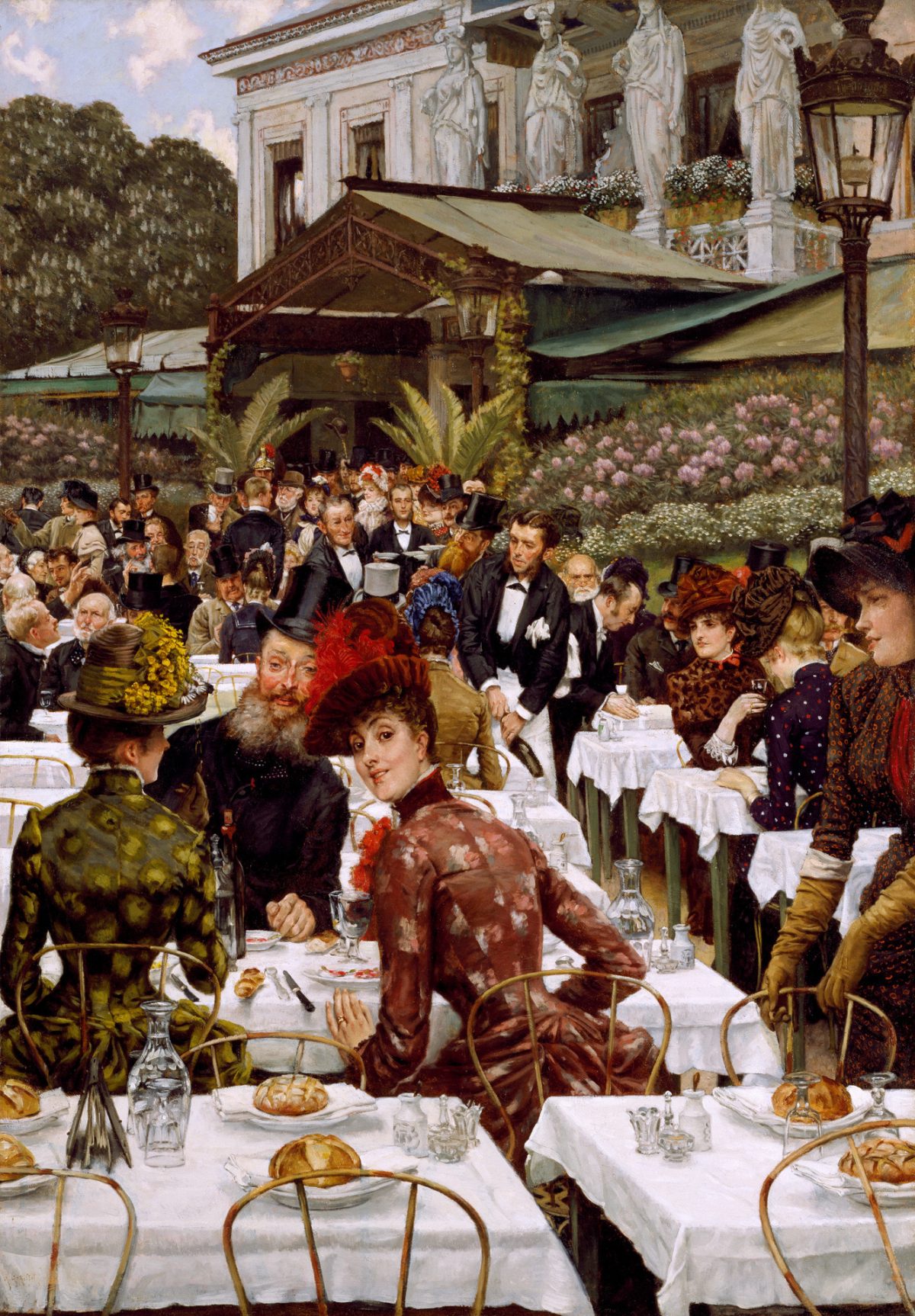
Dig into art, food, and identity at Farm to Table

Sourced, plated, savored, and shared. Food nourishes the body, feeds the soul, sustains culture—and inevitably appears in art. This is as true today as it was during the tumultuous decades in France following the Franco-Prussian War (1870– 71), when food—its cultivation, preparation, presentation, and consumption—took center stage in painting and sculpture.

SAM’s latest exhibition, Farm to Table: Art, Food, and Identity in the Age of Impressionism, features 50 artworks that reflect on the Age of Impressionism through the lens of French culinary tradition. Here, we take a closer look at four of these artworks. (Check out the full exhibition at the Seattle Art Museum, on view through January 18, 2026.)

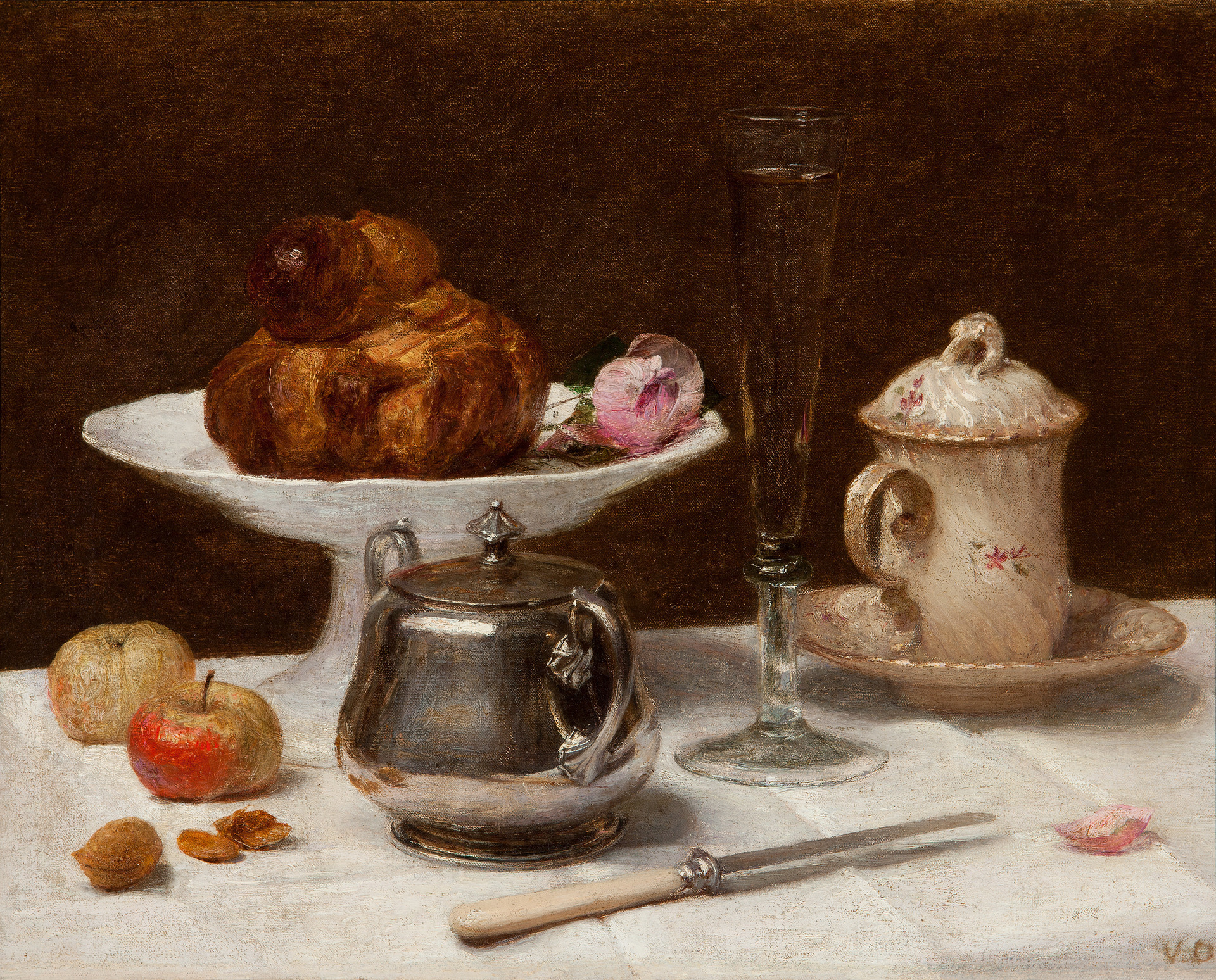
Victoria Dubourg Fantin-Latour

Still Life with Brioche, 1890

"Still Life with Brioche," c. 1890, Victoria Dubourg Fantin-Latour

Dubourg’s painting of a brioche on an extraordinary tablescape shows off the artist’s skill in capturing different textures. Arranged next to a peony on a white porcelain cake stand, a crispy, buttery pastry draws the eye in a tableau of scrumptious delicacies—coffee, sugar, apples, tree nuts, and champagne—that emphasize France’s culinary reach and the pleasures of its cuisine.

Claude Monet

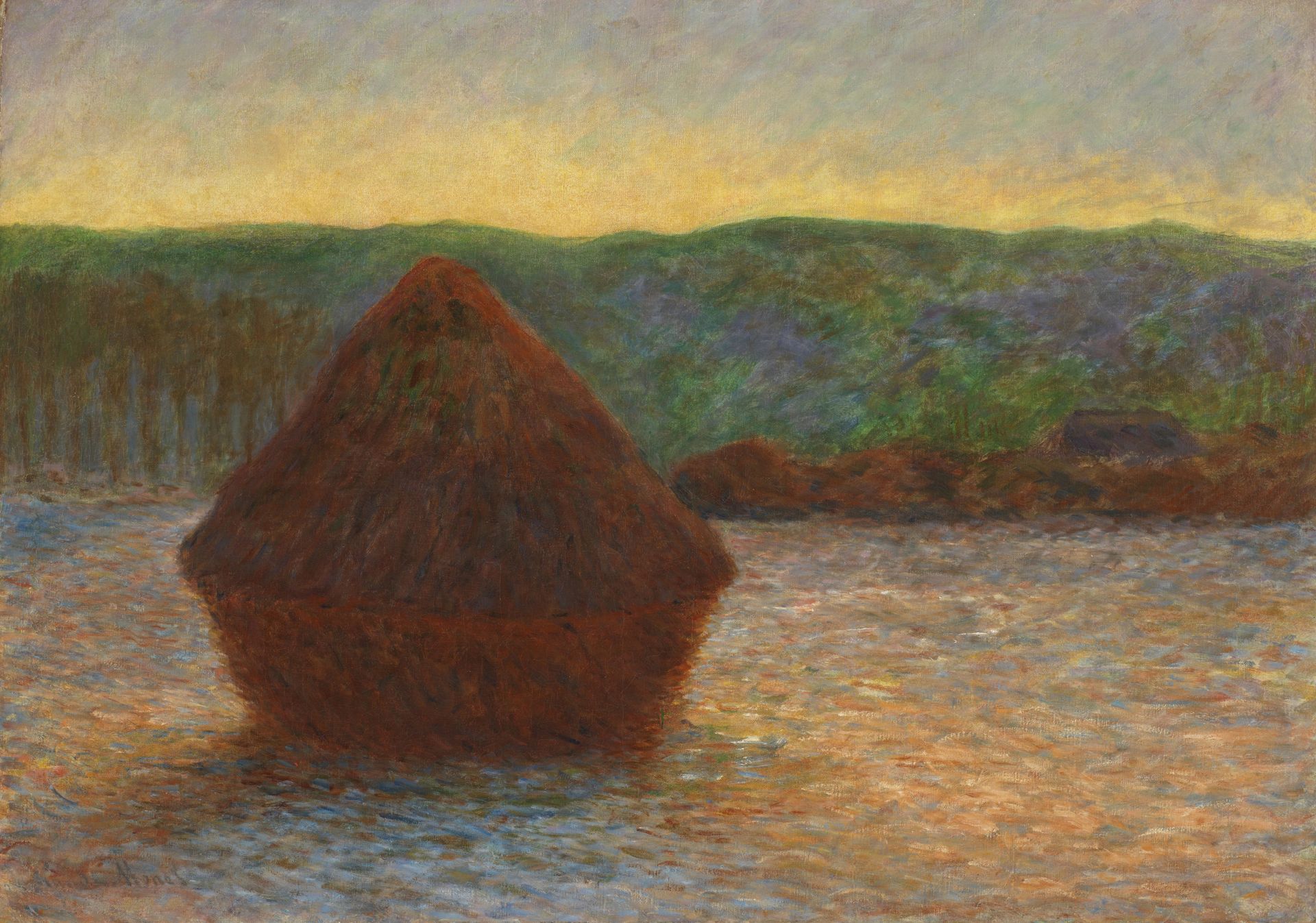
The Haystack, 1891

"La Meule (The Haystack)," 1891, Claude Monet

In a series comprised of over 20 paintings, Monet recreated haystacks during varying weather conditions and at different times of day. Here, a single stack of wheat sits in a sundrenched, late-summer field framed by poplars and rolling hills. Monet’s focus on the harvest reveals the importance of food and farming to the French economy, as well as the nation’s pride in its rich agricultural heritage.

Victor Gabriel Gilbert

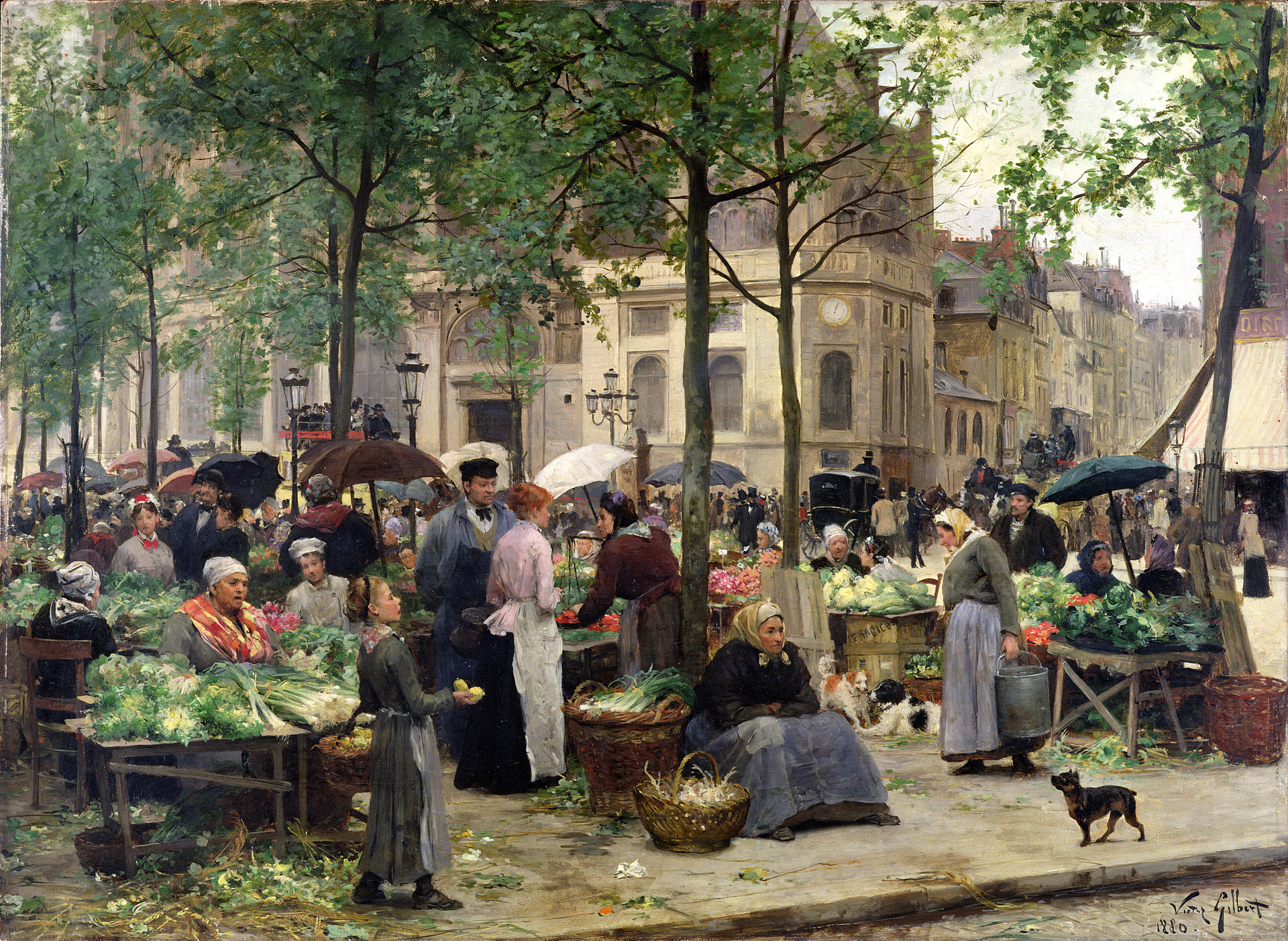
The Square in Front of Les Halles, 1880

"Le Carreau des Halles," 1880, Victor Gabriel Gilbert

This bustling scene of Les Halles, Paris’s central fresh-food markets, shows the market gardeners at their stands in the walkways beside the pavilions. Among tables overflowing with summer produce— leeks, lettuces, radishes, onions, garlic, tomatoes, and more—city dwellers, farmers, laborers, and socialites alike stroll, mingle, socialize, and shop. A microcosm of the modern metropolis, Les Halles was at the intersection between urban and rural life in late 19th-century France.

William-Adolphe Bouguereau

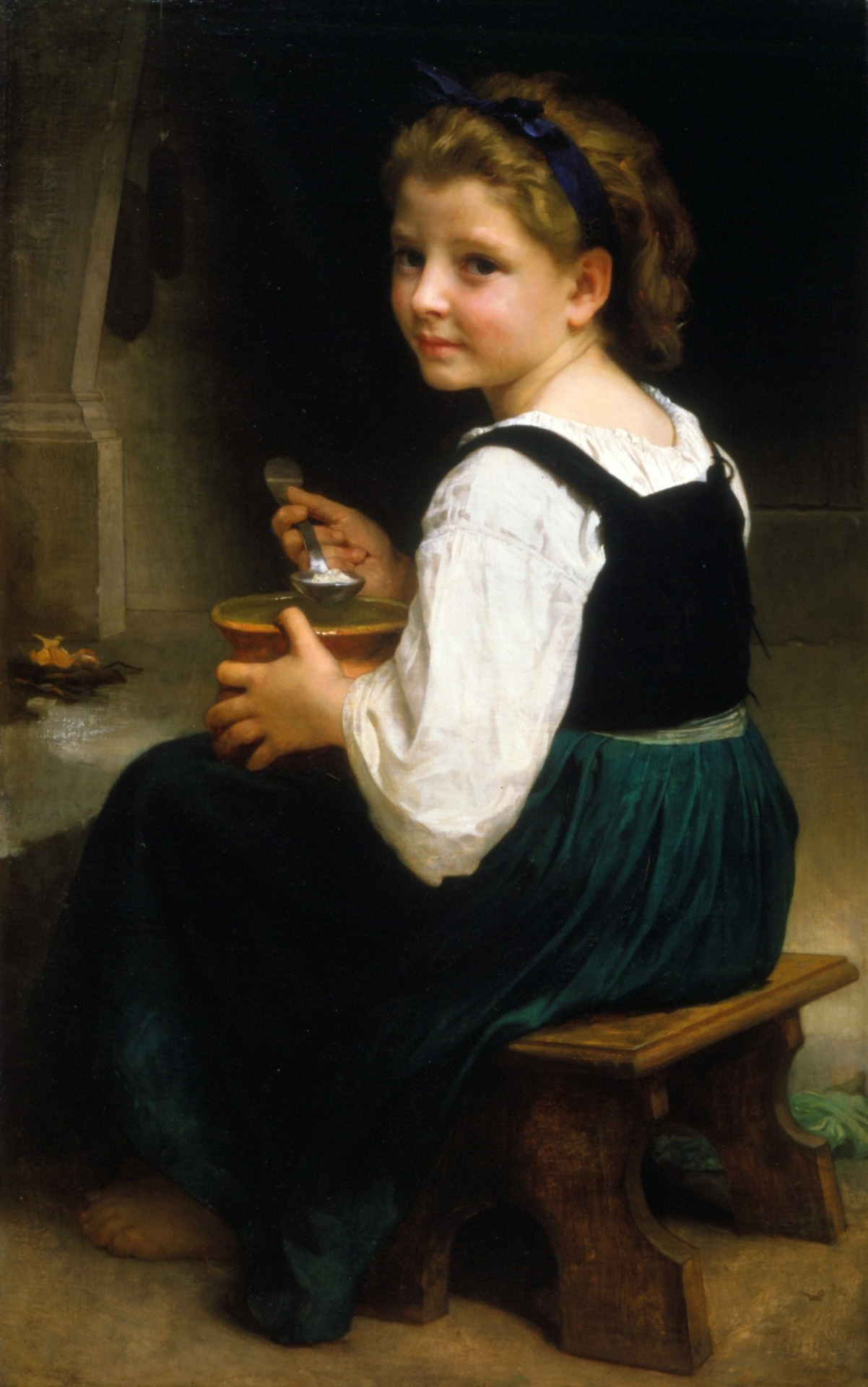
Girl Eating Porridge, 1874

"Girl Eating Porridge," 1874, William-Adolphe Bouguereau

Bouguereau followed the French Academic tradition of portraying idealized figures in moralizing narratives. This sentimental scene of a sweet yet wary child is designed to stir our emotions. Barefoot, plainly dressed, and seated on a simple stool, she spoons a modest meal of porridge from an earthenware bowl balanced on her lap. The cabbage leaves and onion skins scattered on the floor suggest that she may be a domestic worker, despite her young age.

– Theresa Papanickolas, SAM Ann M. Barwick Curator of American Art

Full image credits:

The Artists’ Wives, 1885, James Tissot, French, 1836-1902, oil on canvas, 57 1/2 x 40 in., Gift of Walter P. Chrysler, Jr., and The Grandy Fund, Landmark Communications Fund, and “An Affair to Remember” 81.153, Courtesy American Federation of Arts

Still Life with Brioche, c. 1890, Victoria Dubourg Fantin-Latour, French, 1840-1926, oil on canvas, 13 1/8 x 17 in., Dixon Gallery and Gardens; Museum purchase with fund provided by the estate of Cecil Williams Marshall and, by transfer, Mr. and Mrs. Morrie A. Moss, 2019.6, Courtesy American Federation of Arts

La Meule (The Haystack), 1891, Claude Monet, French, 1840-1926, oil on canvas, 28 7/8 x 36 1/2 in., Private Lender, Courtesy American Federation of Arts

Le Carreau des Halles, 1880, Victor Gabriel Gilbert, French, 1847-1933, oil on panel, 21 1/8 x 29 in., Musée d’art moderne André Malraux, Malraux, Le Havre, Courtesy American Federation of Arts

Girl Eating Porridge, 1874, William-Adolphe Bouguereau, French, 1825-1905, oil on canvas, 38 1/2 x 24 1/2 inches, Cincinnati Art Museum, bequeathed by Reuben R. Springer, 1884.335, Courtesy American Federation of Arts

SAM Stories